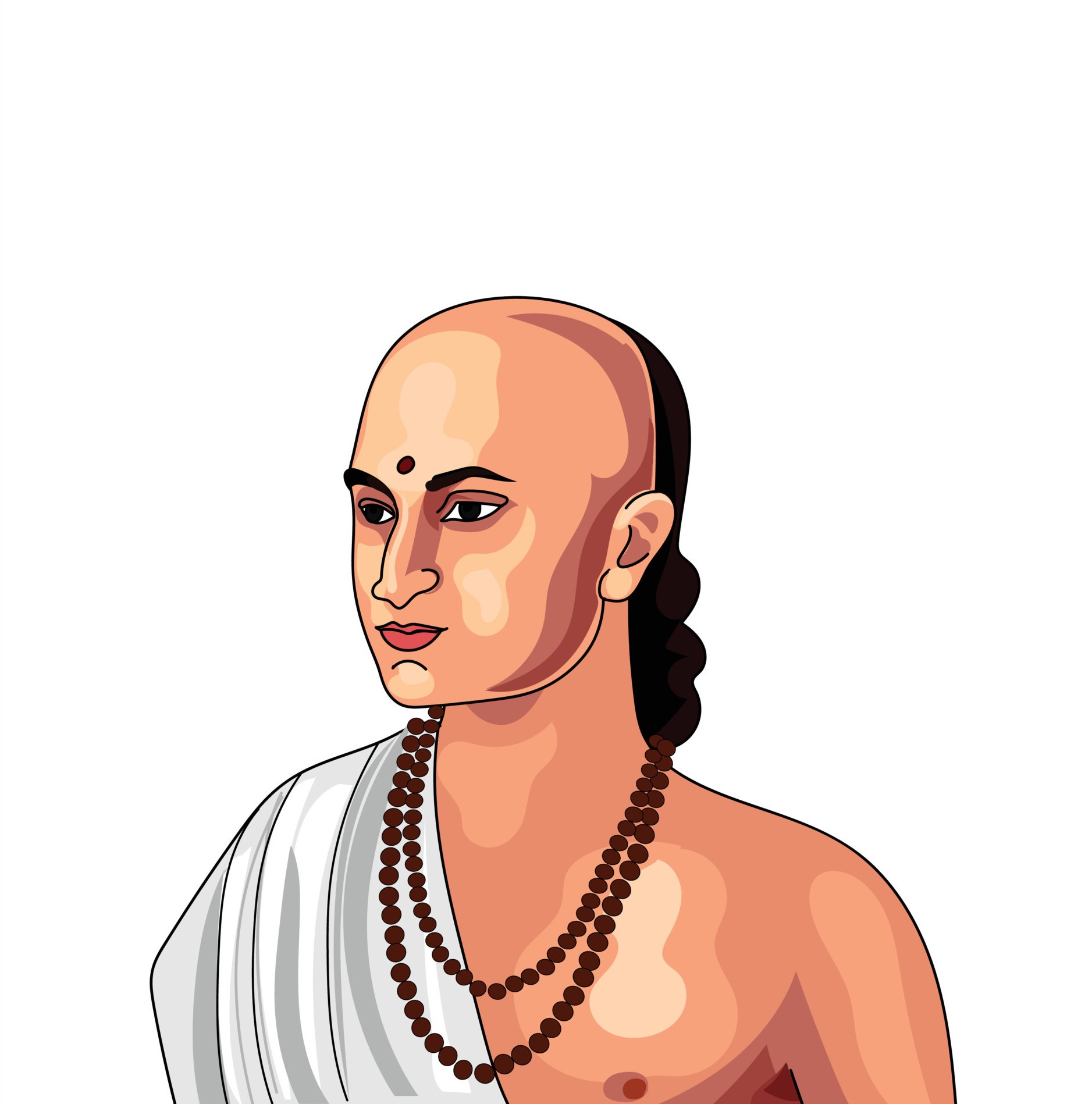
Aryabhata: The Pioneering Mathematician and Astronomer
Aryabhata, a name that resonates through the annals of history, stands as a beacon of intellect and innovation in the fields of mathematics and astronomy. Born in 476 CE in ancient India, Aryabhata's contributions have left an indelible mark on the world of science and continue to inspire generations of mathematicians and astronomers.
Early Life and Education
Aryabhata's early life remains shrouded in mystery, with limited historical records providing insights into his upbringing. He hailed from Kusumapura, which is believed to be present-day Patna, India. He received his education at the renowned Nalanda University, one of the oldest centers of learning in the world.
Aryabhata's Magnum Opus: Aryabhatiya
At the age of 23, Aryabhata authored his magnum opus, the "Aryabhatiya." This remarkable work was not only the first comprehensive mathematical treatise in Indian history but also a pioneering text in the global history of mathematics and astronomy. Written in Sanskrit, the "Aryabhatiya" is a testament to his profound knowledge and innovative thinking.
In this seminal work, Aryabhata made significant contributions to various branches of mathematics. He introduced the concept of zero (0) as a placeholder, a fundamental concept that laid the foundation for the decimal numeral system. His work on trigonometry, particularly the sine function, was groundbreaking and became foundational for later mathematicians.
Aryabhata also provided accurate approximations for π (pi) and the square root of 2, displaying a keen understanding of geometry and irrational numbers. His methods for calculating the circumference of the Earth and the length of a year were remarkably precise, considering the limited tools available during his time.
Astronomy: Aryabhata's Exploration of the Cosmos
Aryabhata's contributions extended far beyond the realm of mathematics. He was an eminent astronomer, and his work in this field was equally groundbreaking. In the "Aryabhatiya," he presented a comprehensive model of the solar system, challenging prevailing beliefs of his era.
He correctly proposed that the Earth is not flat but spherical, and it rotates on its axis to explain day and night. Aryabhata's heliocentric model, where he posited that the Earth and other planets revolve around the Sun, was centuries ahead of its time. His estimations of planetary positions and their periods of revolution were remarkably accurate.
Legacy and Impact
Aryabhata's legacy is imprinted not only in the historical texts but also in the continued exploration of mathematics and astronomy. His contributions profoundly influenced scholars and thinkers in India and beyond. His work laid the groundwork for the development of Indian mathematics and the subsequent transmission of mathematical knowledge to the Arab world and Europe.
In the Islamic Golden Age, Arab scholars translated Aryabhata's works into Arabic, preserving and disseminating his knowledge to the broader world. His influence can be traced in the works of great mathematicians like Al-Khwarizmi and Al-Biruni, who built upon his mathematical principles.
In Europe, the reintroduction of Aryabhata's ideas during the Renaissance played a pivotal role in the advancement of mathematics and science. His work provided the impetus for the exploration of trigonometry and the development of calculus, revolutionizing the way mathematics was understood and applied.
Today, Aryabhata's name is synonymous with intellectual brilliance and pioneering spirit. His legacy lives on in the countless mathematicians, astronomers, and scientists who continue to draw inspiration from his groundbreaking contributions to human knowledge.
Conclusion
Aryabhata's life and work exemplify the timeless pursuit of knowledge and the power of human intellect. His mathematical innovations, astronomical revelations, and pioneering spirit have left an enduring legacy that continues to shape the world of science and mathematics. Aryabhata's story is a testament to the enduring human quest for understanding the universe and our place within it, and his name will forever be etched in the annals of history as a luminary of human achievement.